
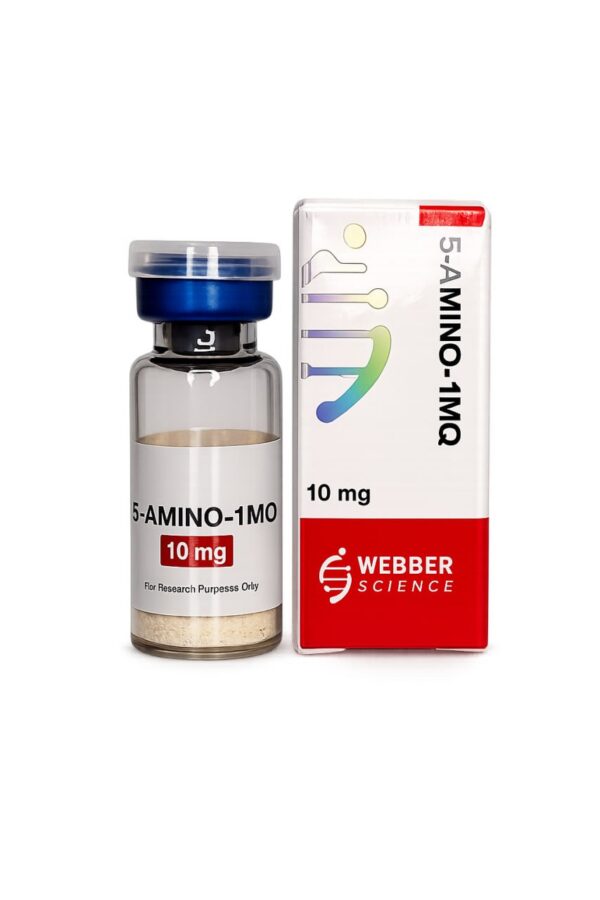
5-Amino-1MQ — NNMT Inhibitor | 10 mg | Research Compound
5-Amino-1MQ (5-Amino-1-methylquinolinium) is a selective inhibitor of nicotinamide N-methyltransferase (NNMT), an enzyme that plays a central role in cellular energy metabolism and adipose tissue regulation. By targeting NNMT activity, 5-Amino-1MQ has emerged as a compelling tool compound for researchers studying obesity, metabolic syndrome, and NAD⁺ pathway dynamics.
Research Background
NNMT catalyzes the methylation of nicotinamide using SAM (S-adenosylmethionine) as a methyl donor. Elevated NNMT activity has been linked to increased adipogenesis, reduced resting metabolic rate, and disrupted NAD⁺ biosynthesis. Preclinical models show that NNMT inhibition with compounds such as 5-Amino-1MQ can reduce fat mass, improve insulin sensitivity, and upregulate NAD⁺-dependent sirtuin activity — without changes to food intake, making it a mechanistically distinct research target compared to GLP-1-based compounds.
Key Research Areas
- Metabolic regulation: Investigating the NNMT axis as a driver of adipocyte differentiation and lipid accumulation
- NAD⁺ dynamics: Studying how NNMT inhibition shifts SAM/SAH balance and supports NAD⁺ availability in peripheral tissues
- Energy expenditure: Examining effects on mitochondrial function, thermogenesis, and resting metabolic rate in in vitro and in vivo models
- Insulin sensitivity: Exploring downstream effects on glucose uptake and AMPK signaling in metabolic disease models
Product Specifications
- Compound: 5-Amino-1-methylquinolinium (5-Amino-1MQ)
- Quantity: 10 mg per vial
- Form: Lyophilized powder
- Purity: ≥98% (HPLC)
- Storage: Store at −20°C, protected from light and moisture
- Reconstitution: Compatible with standard aqueous and DMSO-based vehicles per laboratory protocol
Frequently Asked Questions
What is NNMT and why does it matter for metabolic research?
NNMT (nicotinamide N-methyltransferase) regulates methyl group availability in cells and directly influences NAD⁺ metabolism and epigenetic signaling. Overexpression of NNMT is associated with obesity and metabolic dysfunction, making it a high-interest target for researchers developing novel metabolic interventions.
How does 5-Amino-1MQ differ from other weight-related research peptides?
Unlike GLP-1 receptor agonists or growth hormone secretagogues, 5-Amino-1MQ works upstream at the epigenetic/metabolic enzyme level — modulating adipogenesis and NAD⁺ flux rather than appetite signaling or anabolism. This makes it a complementary tool for multi-pathway metabolic research models.
What storage conditions are required?
Store lyophilized 5-Amino-1MQ at −20°C in a dry, light-protected environment. Once reconstituted, use within the timeframe specified by your laboratory’s standard operating procedures.
Is this product intended for human use?
No. 5-Amino-1MQ is sold strictly for in vitro and in vivo laboratory research use only. It is not approved for human or veterinary administration, and Webber Science makes no claims regarding its safety or efficacy in humans.
This product is intended for research purposes only. Not for human or veterinary use. Must be handled by qualified researchers in accordance with applicable regulations.


Reviews
There are no reviews yet.