
Peptide Blends in Research: Why Single-Variable Designs Matter
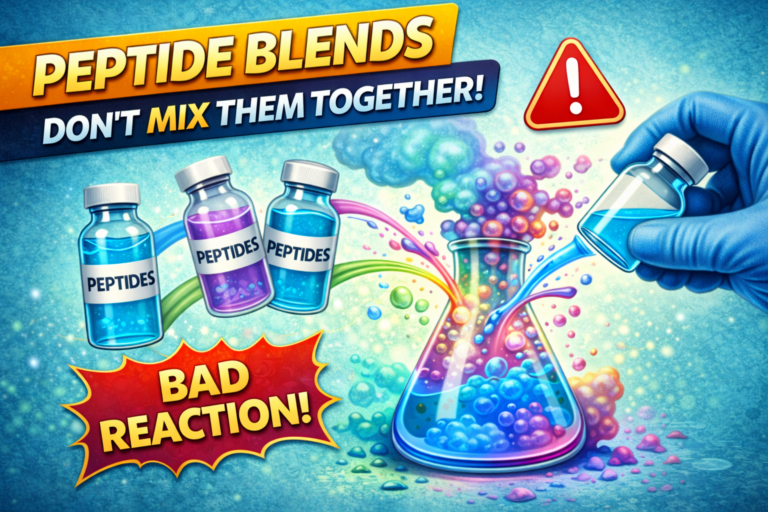
A research-design guide to attribution, controls and traceable documentation when studying multi-component peptide blends.
This website sells research materials for laboratory use only. You must be at least 21 years old to enter.
We're sorry. You must be at least 21 years old to access this site.

A research-design guide to attribution, controls and traceable documentation when studying multi-component peptide blends.
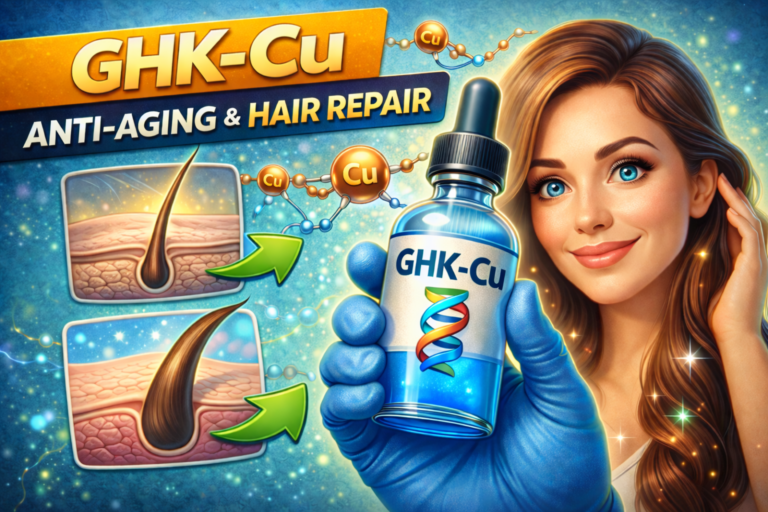
GHK-Cu (Copper Peptide) is one of the most researched bioactive peptides, widely studied for its role in tissue repair, skin rejuvenation, hair health, and cellular regeneration. In this video, we break down how GHK-Cu works, what makes it unique,…
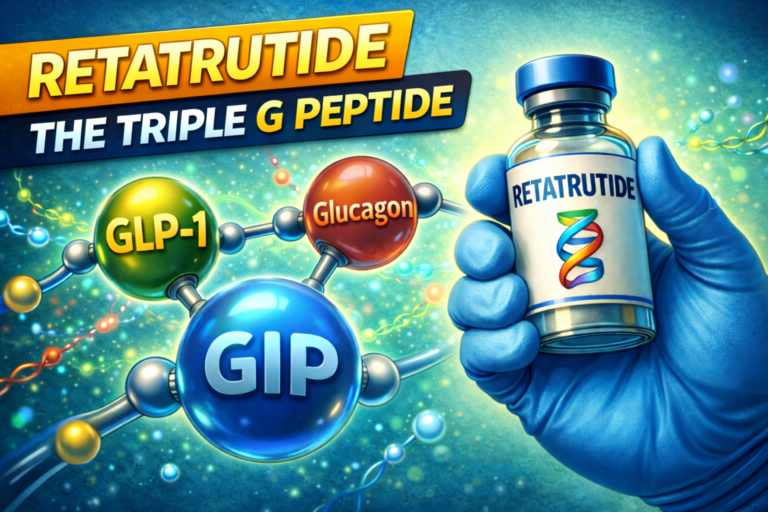
GLP-3 (Ret) is an advanced triple-agonist research peptide designed to activate GLP-1, GIP, and glucagon receptors simultaneously. In this video, we break down what GLP-3 (Ret) is, how it works, and why it’s generating so much interest in metabolic…
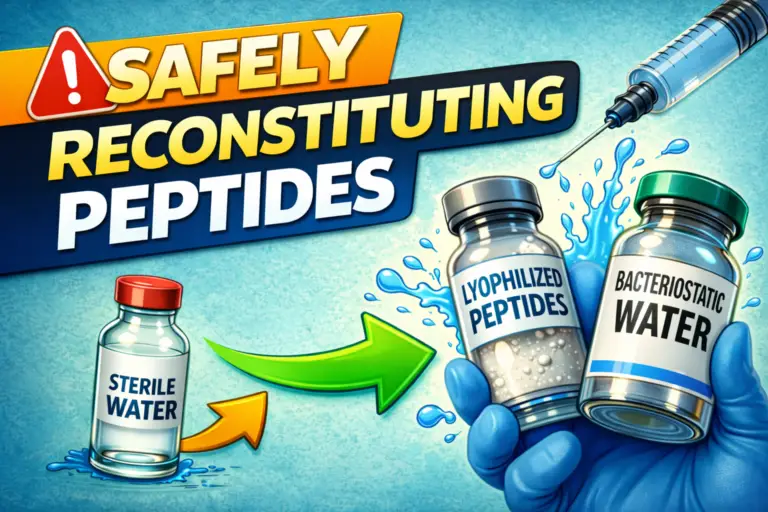
https://www.youtube.com/watch?v=7awAxFxcNWc&t=1s Learn how to safely reconstitute wellness peptides step by step. This tutorial covers proper bacteriostatic water usage, sterile technique, dosage calculations, and storage best
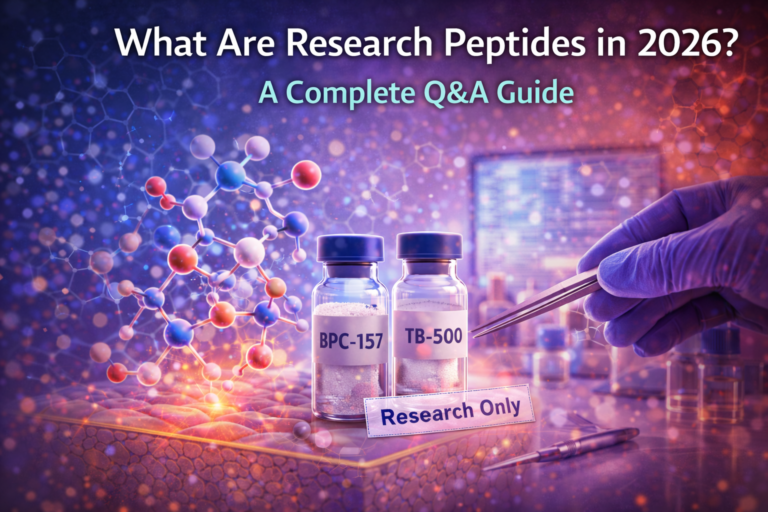
Question: What exactly are wellness peptides, and how do they fit into the scientific landscape of 2026? Quick Answer: Wellness peptides are synthetic, short-chain amino acid compounds manufactured specifically for laboratory investigation. They are used in in vitro and animal studies to understand cellular…